Polar Low, 40-Knot Gusts and Arctic Glory – Race to the Arctic Concludes in Svolvær
 Leer en Español
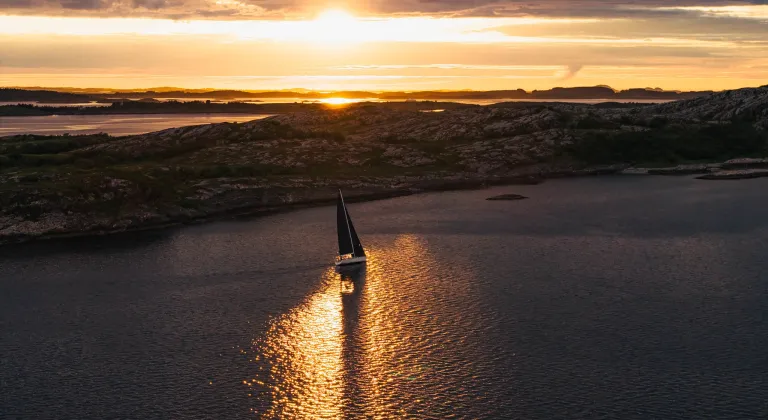
5 July 2026 - Svolvær, Norway - The inaugural Race to the Arctic concluded in spectacular fashion on Sunday as the fleet reached Svolvær after nearly 800 nautical miles of offshore racing along the Norwegian coast.
The final leg was won on elapsed time by the Landmark 43 White Shadow (NOR), claiming the prestigious Line Honours into Svolvær.
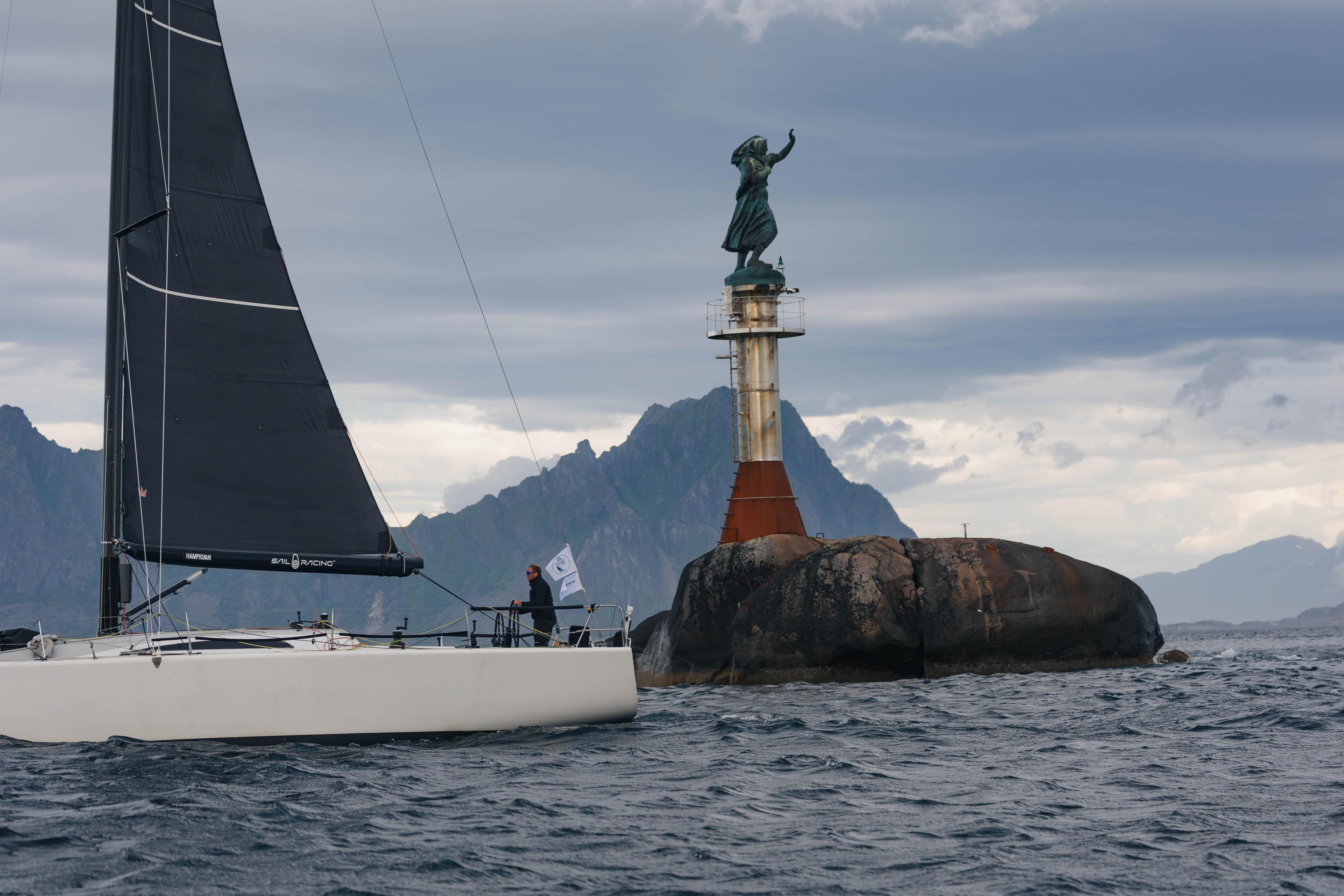
What had been expected to be a slow and tactical finish in fading winds turned into one of the most dramatic moments of the entire race.
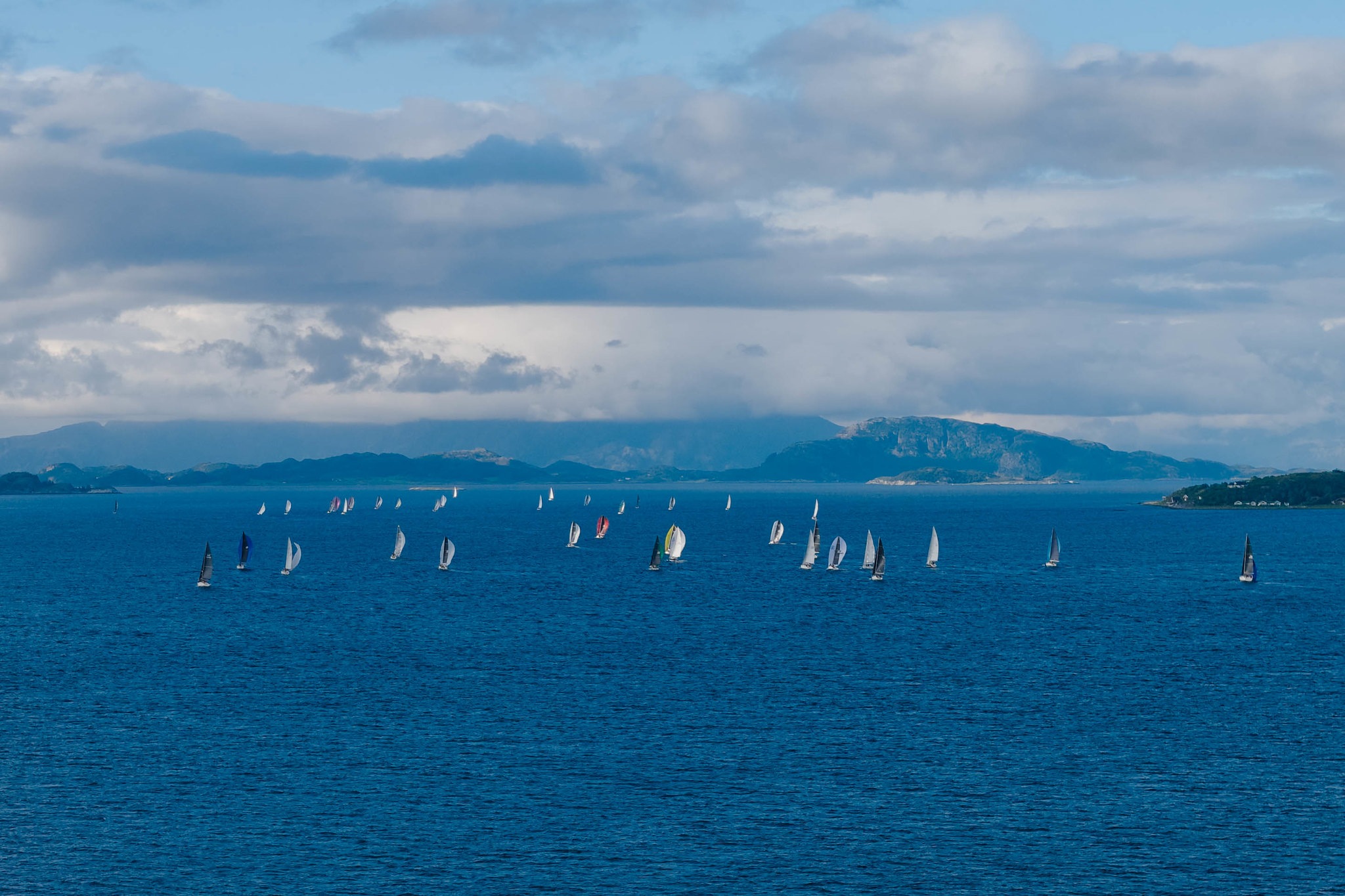
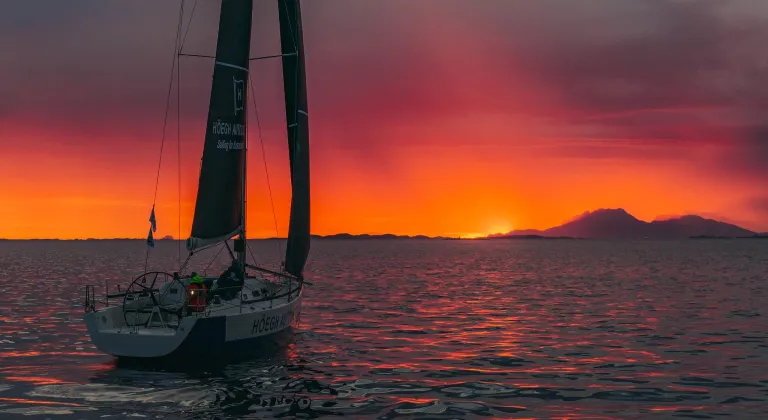
Throughout the afternoon, the breeze gradually disappeared as the leading boats approached the Lofoten Islands. The larger yachts appeared set to extend their advantage in the light conditions, but nature had other plans.
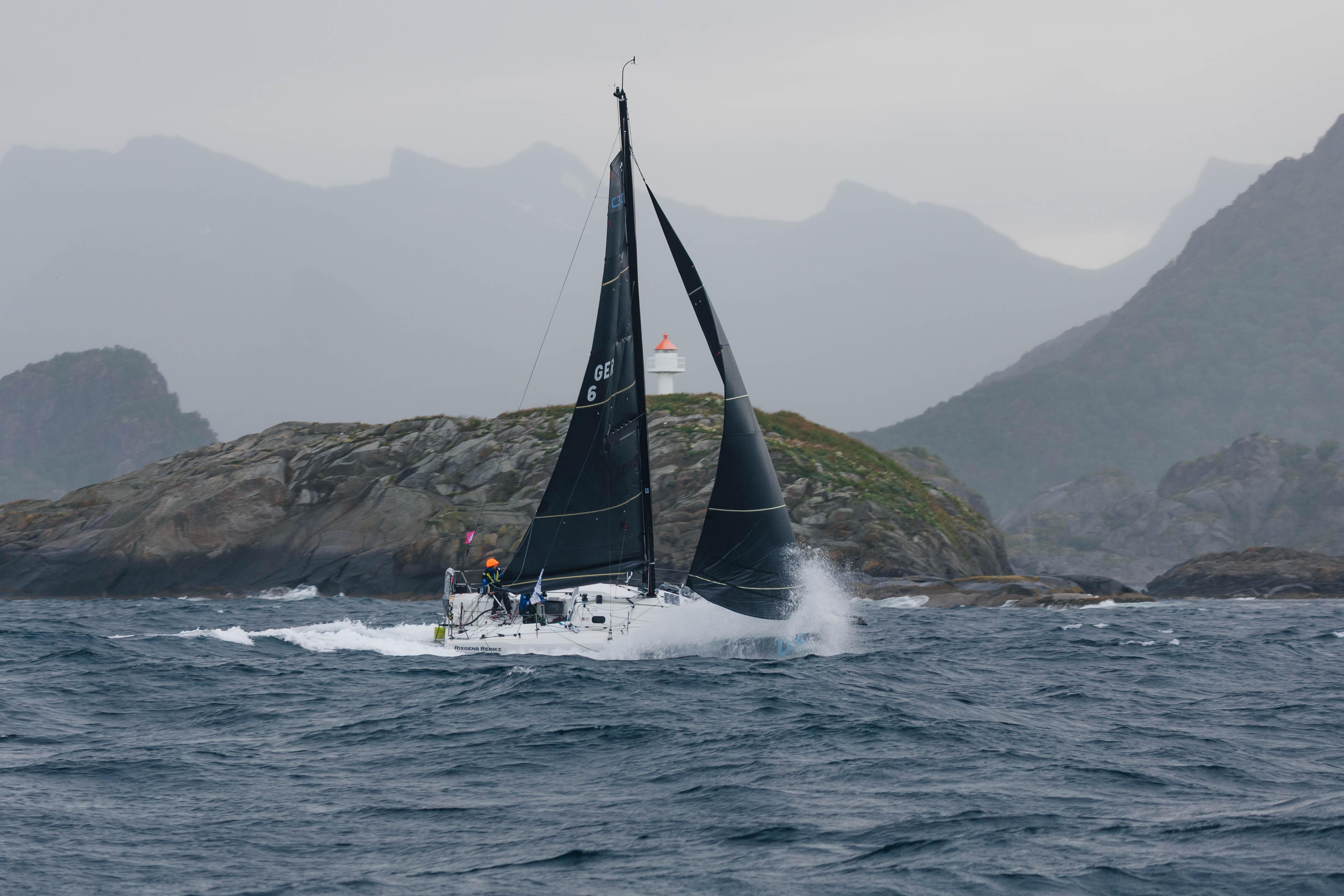
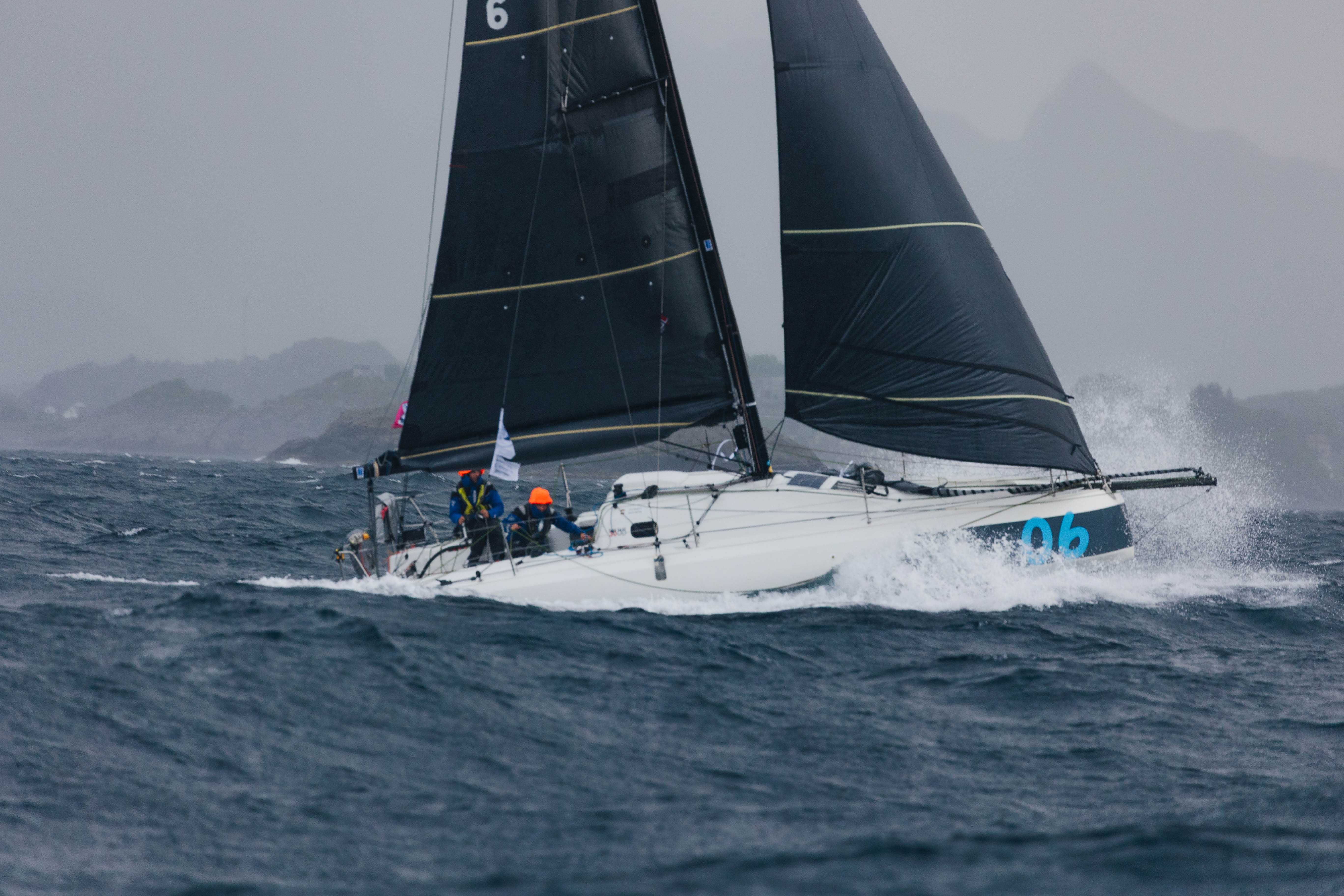
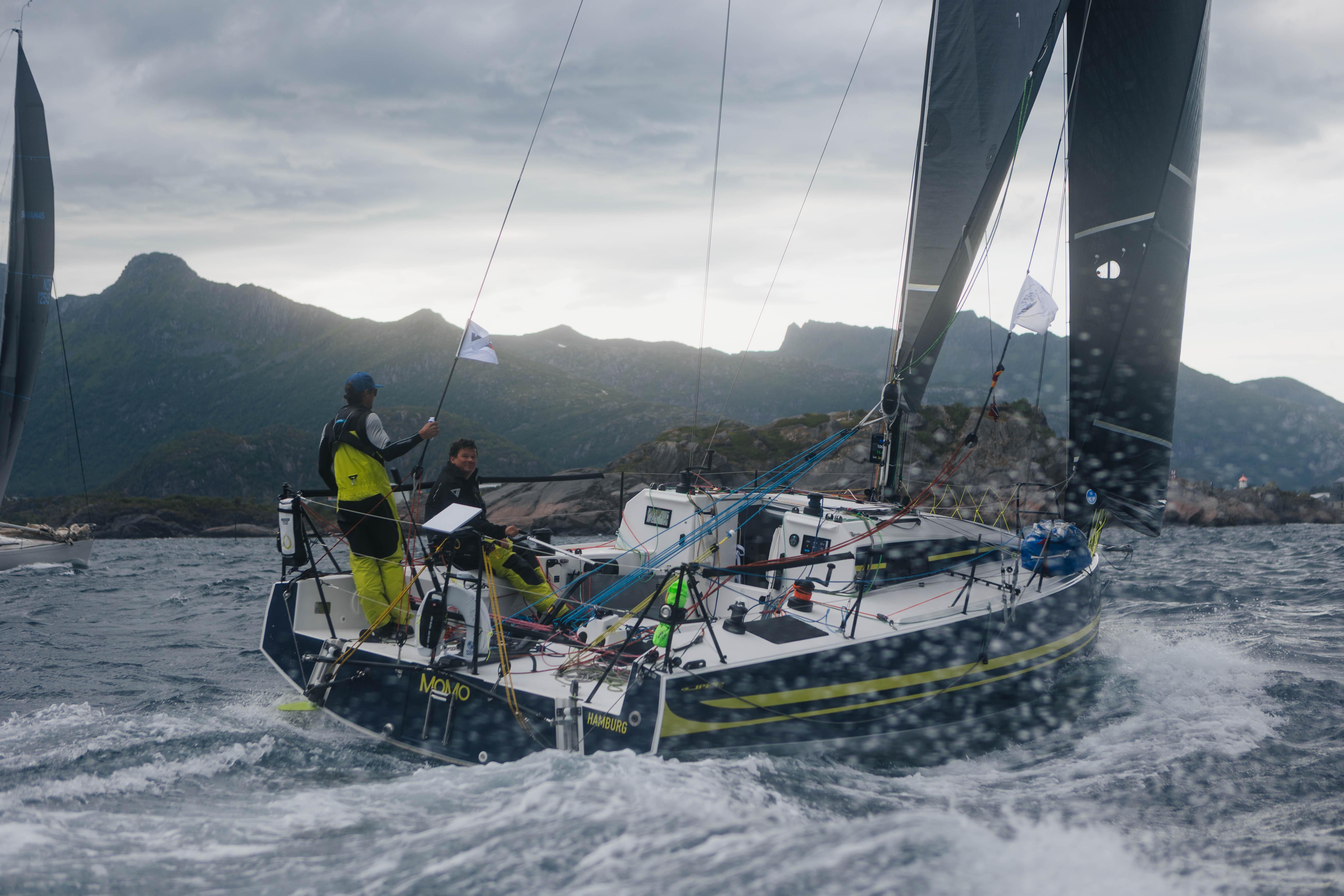
A fast-moving Arctic polar low suddenly swept across the fleet, transforming the conditions within seconds. Calm seas and blue skies gave way to 30–35 knots of wind, with gusts exceeding 40 knots, accompanied by steep seas and torrential rain.
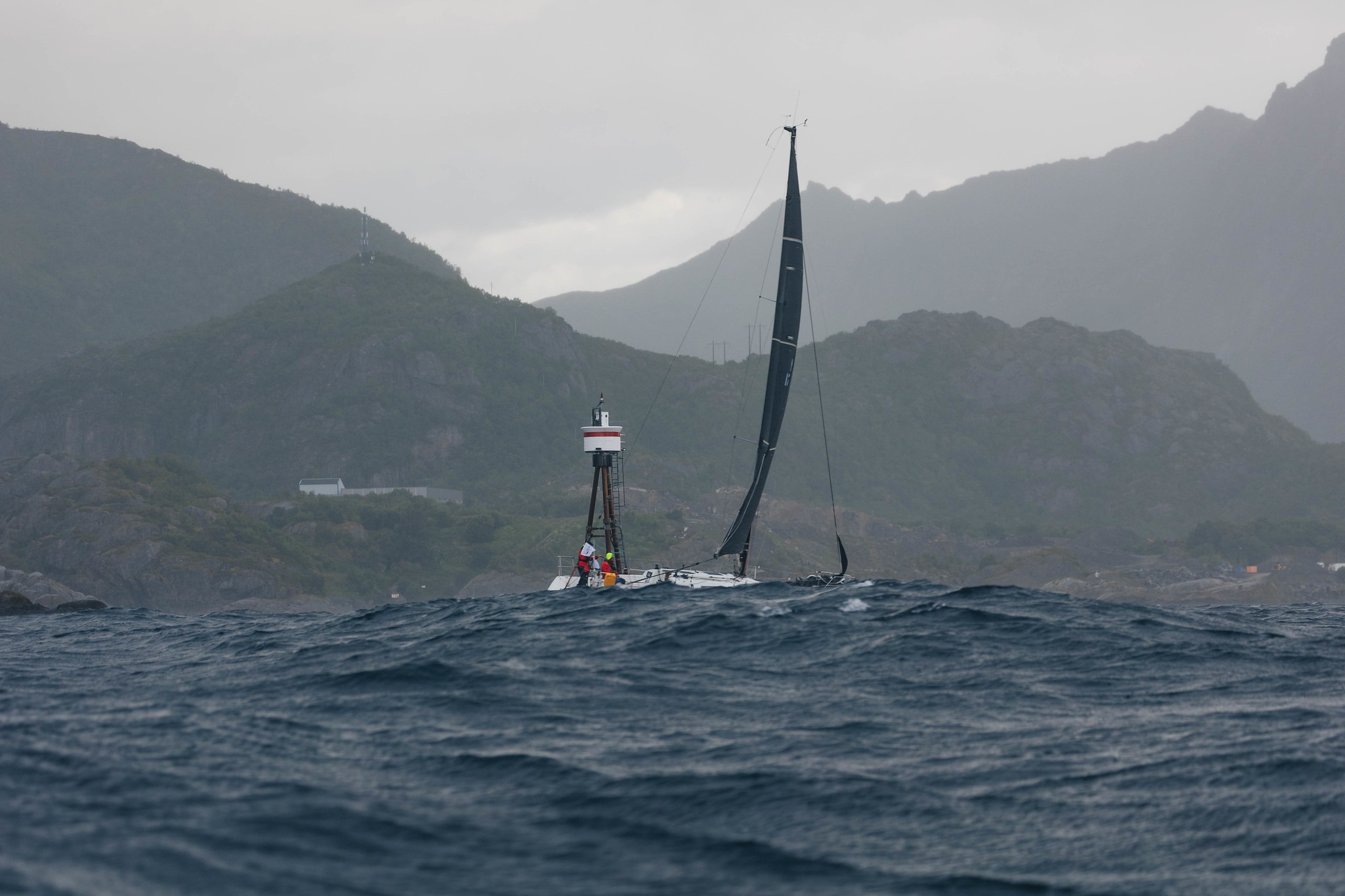
Boats further back in the fleet were the first to benefit from the fresh breeze, rapidly closing the gap on the leaders.
"One moment, the fleet was cruising through calm waters under blue skies and bright sunshine. The next, it was caught in a polar low—a fast-moving Arctic weather system bringing rough seas, sustained winds of 30–35 knots and gusts exceeding 40 knots. That's Lofoten: beautiful, wild and wonderfully unpredictable," said Principal Race Officer Thomas Nilsson.
From a Big Boat Race to a Small Boat Race
Offshore sailors often refer to the difference between a "big boat race" and a "small boat race."
As the wind disappeared ahead and filled in from astern, the larger yachts became trapped in the calm while the smaller boats behind received the new breeze first. Their deficit disappeared remarkably quickly, completely changing the dynamics of the final leg.
"The last leg became a true small boat race. That's offshore sailing—you can never predict what nature has in store for you," said Nilsson.
Crossing into the Arctic
The final leg from Sandnessjøen to Svolvær also carried every competitor across one of the race's defining milestones—the Arctic Circle.
From that moment on, every nautical mile was sailed in Arctic waters, making the name Race to the Arctic a reality. Few offshore races in the world combine demanding competition with such an iconic geographical journey.
A New Offshore Classic
More than 60 double-handed crews from Norway, Sweden, Denmark, Germany, Switzerland and the United States completed four challenging legs from Mandal to Svolvær, via Fedje, Kristiansund and Sandnessjøen.
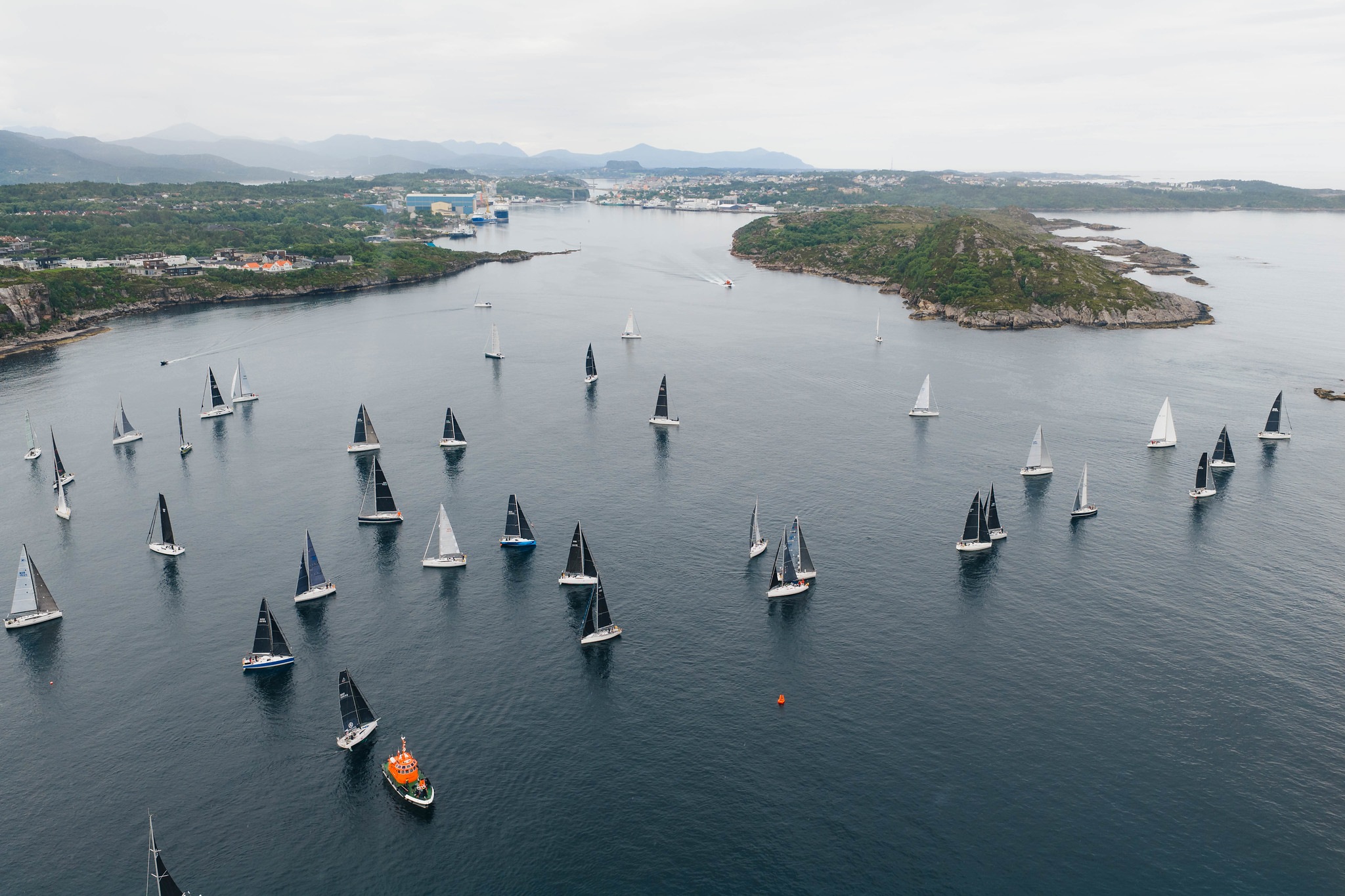
The inaugural edition has established Race to the Arctic as Norway's largest offshore race for double-handed crews and one of Northern Europe's most spectacular new offshore sailing events.
Overall Results
Partner Class
- Gaia (GER)
- Lethe (NOR)
- Serendipity (NOR)
- Levens (NOR)
- Psyke (NOR)
Delmar Class
- Red Ruby (USA)
- Avanti II (NOR)
- Mrs Freckles (SWE)
- Hyrrokin (NOR)
- Milina (NOR)
Wergeland Class
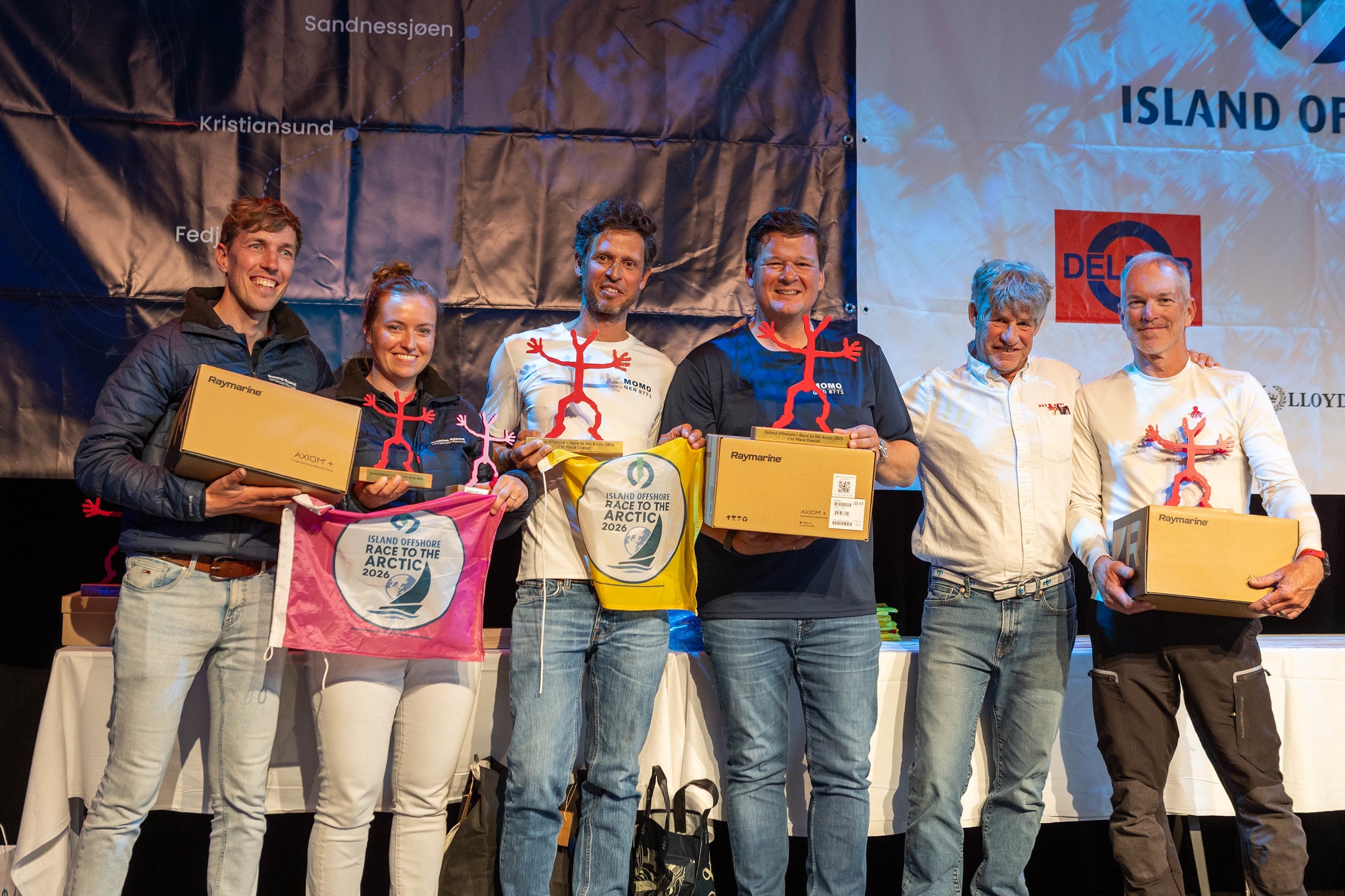
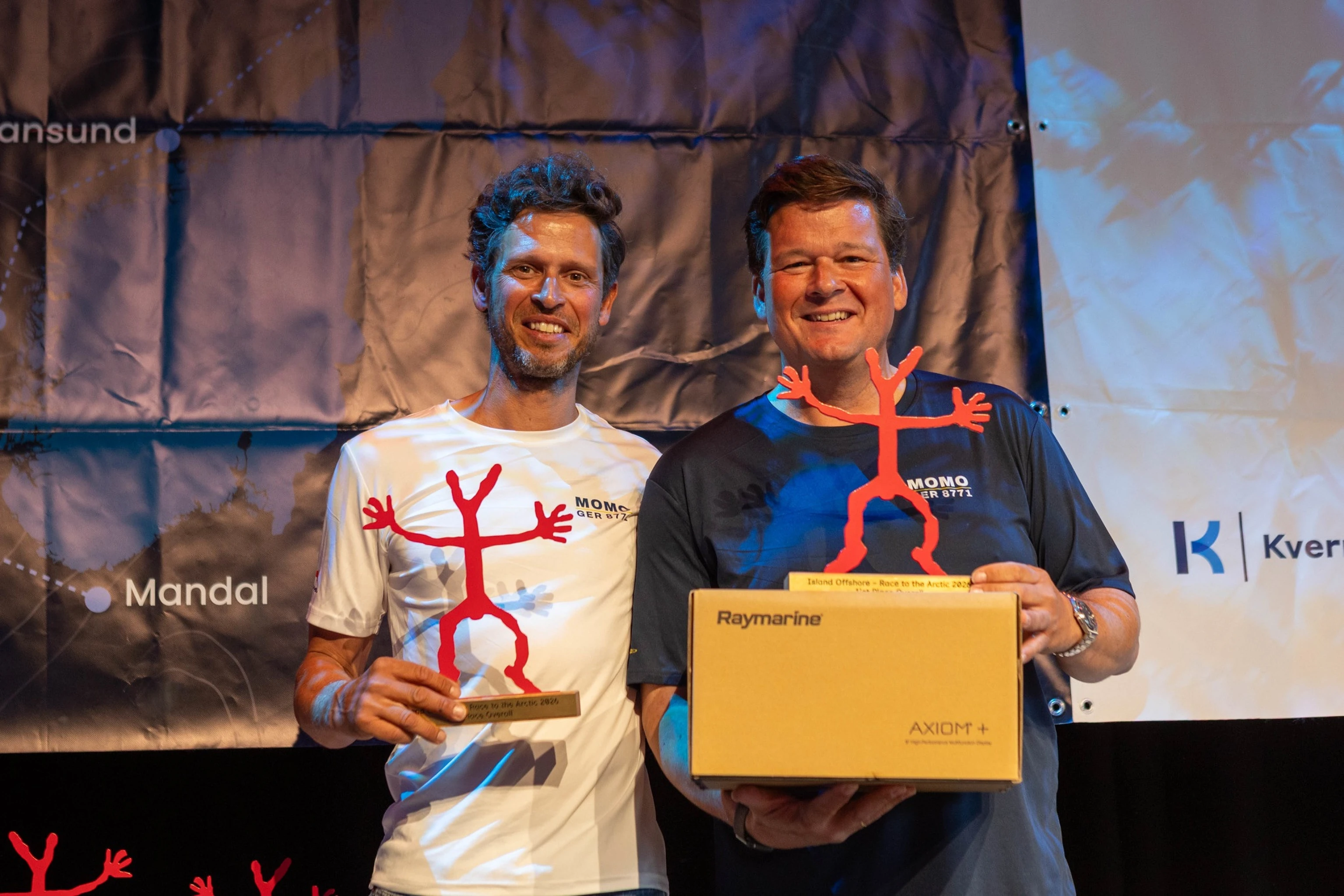
- MOMO (GER)
- Off Course (NOR)
- SailLogic (NOR)
- Zorro (NOR)
- Lynx (NOR)
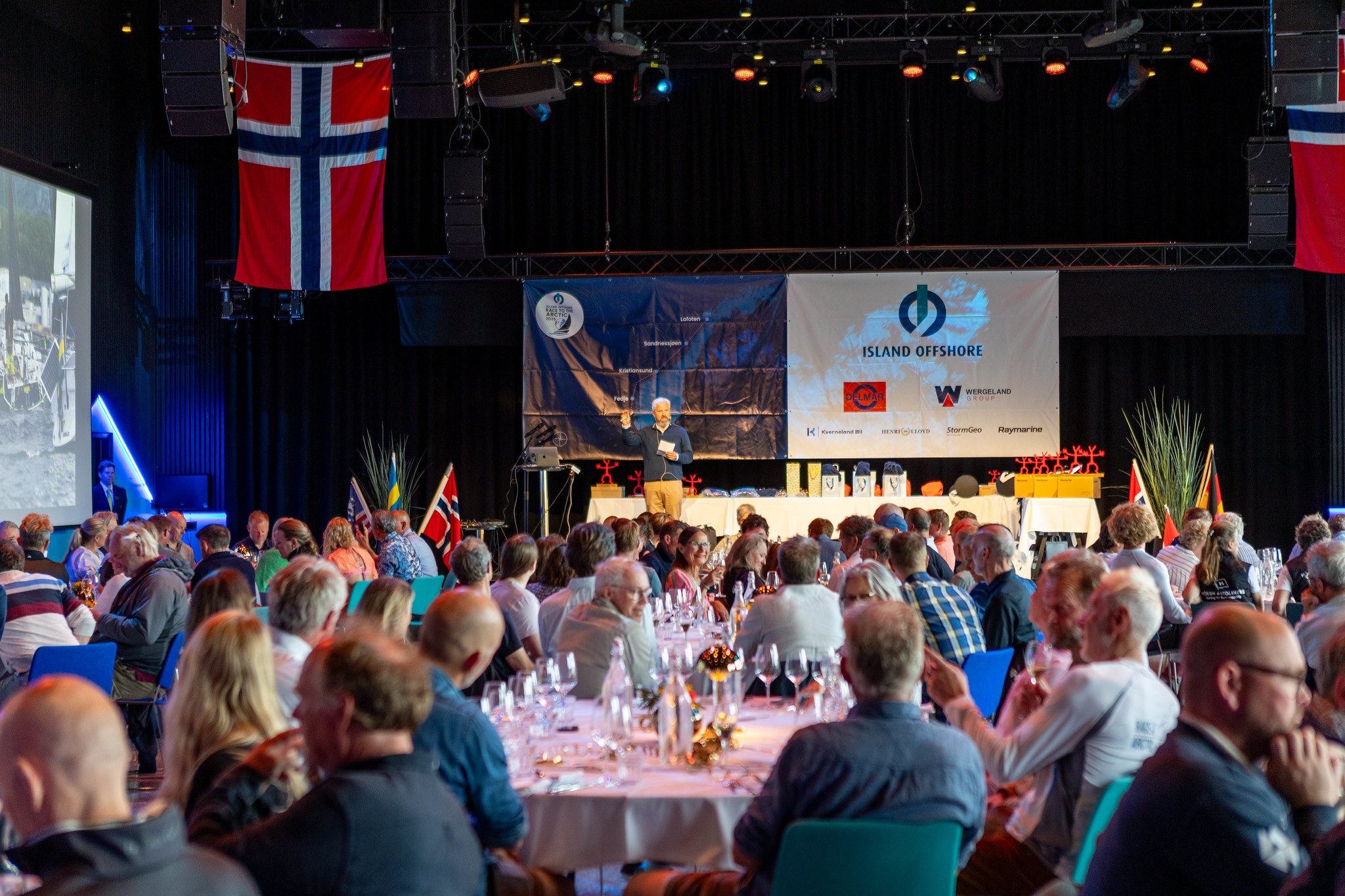
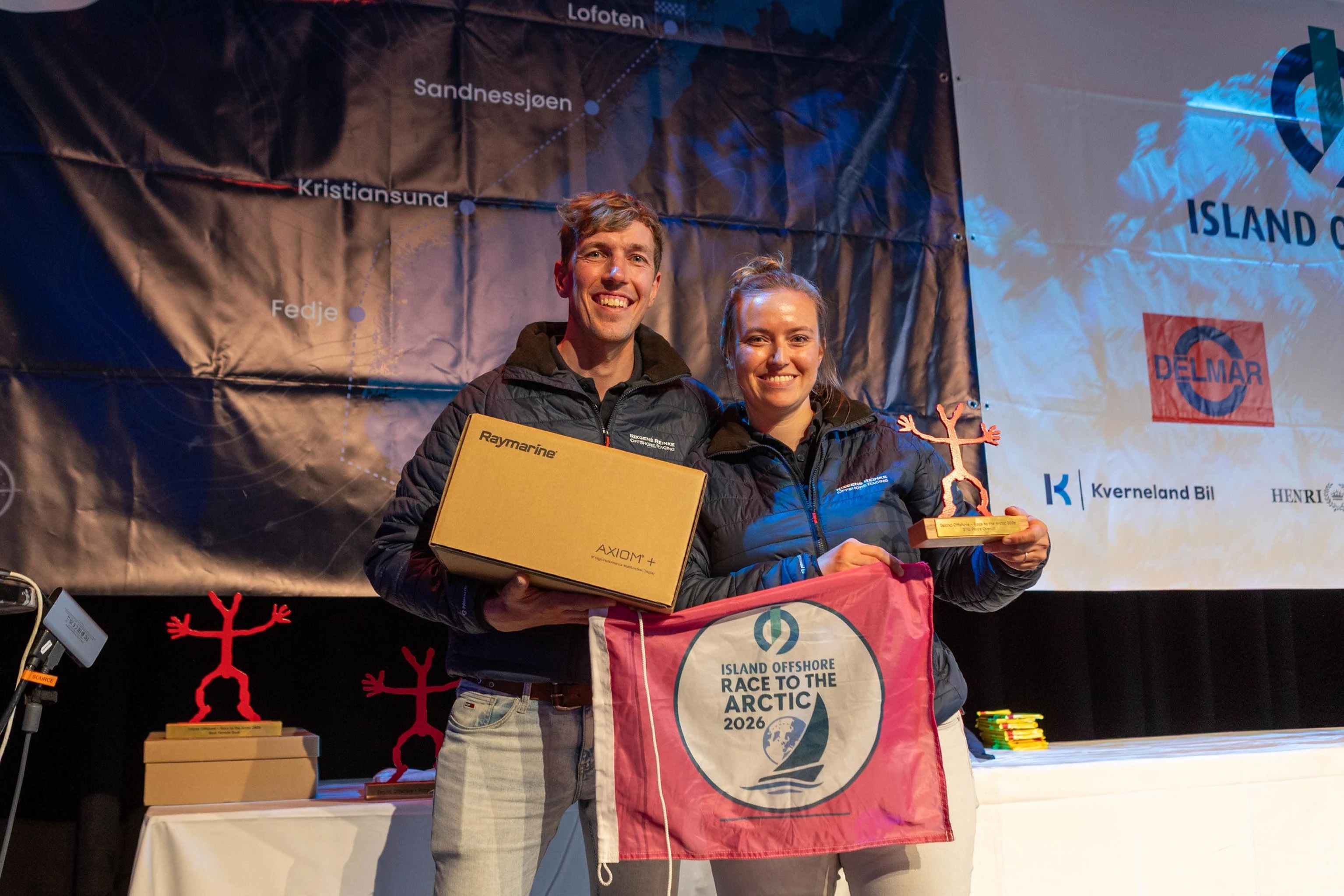
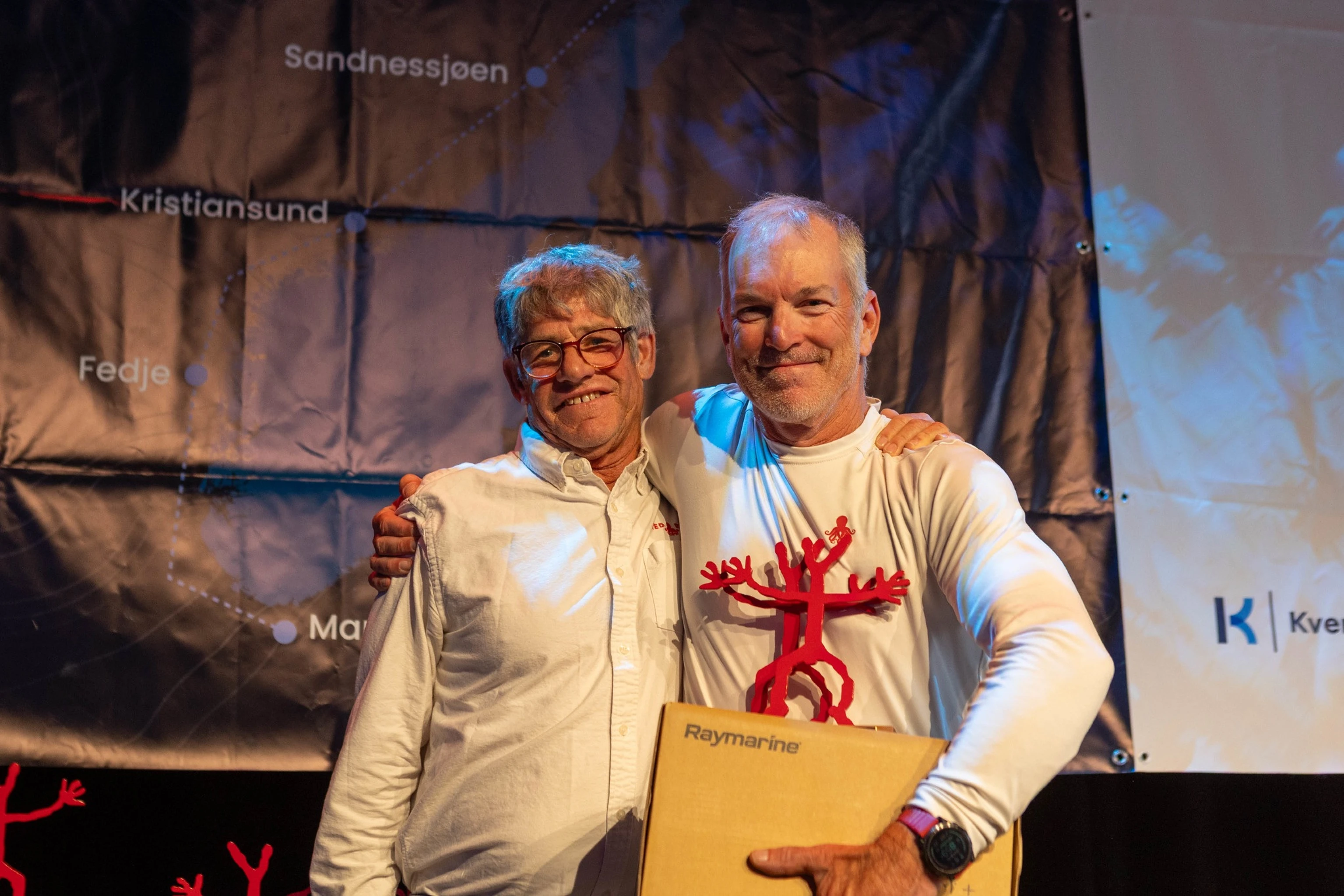
The full Overall standings and complete Leg results are available on Manage2Sail. The official Prize Giving Ceremony took place in Svolvær on Monday, 6 July.
Official Website
https://www.racetothearctic.no
Live Tracking (YB)
https://pro.yb.tl/IORTTA2026
Official Results (Manage2Sail)
https://link.norgesseilforbund.org/RTTA2026Manage2Sail
Official Photos (Flickr)
https://flic.kr/s/aHBqjCXvZR

-
Race to the Arctic – SailLogic Media
-
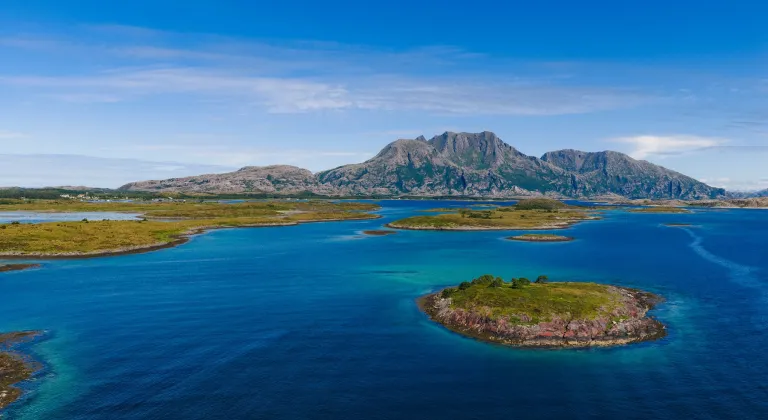
Race to the Arctic – SailLogic Media
-
-
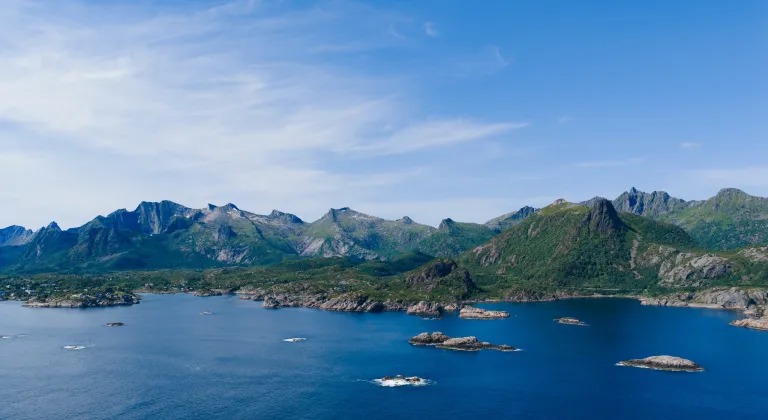
Race to the Arctic – SailLogic Media
-
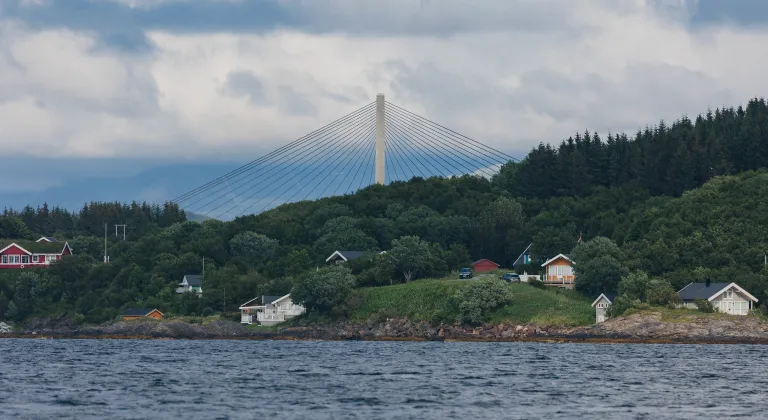
Race to the Arctic – SailLogic Media
-
Race to the Arctic – SailLogic Media
-
Race to the Arctic – SailLogic Media
-
-
Race to the Arctic – SailLogic Media
-
Race to the Arctic – SailLogic Media
Related articles