Leer en Español
February 8, 2026 - The 2026 ORC VPP update introduces a targeted technical adjustment aimed at safeguarding the accuracy and consistency of performance predictions as yacht designs continue to evolve.
High CWPA and the Limits of the Current VPP Model
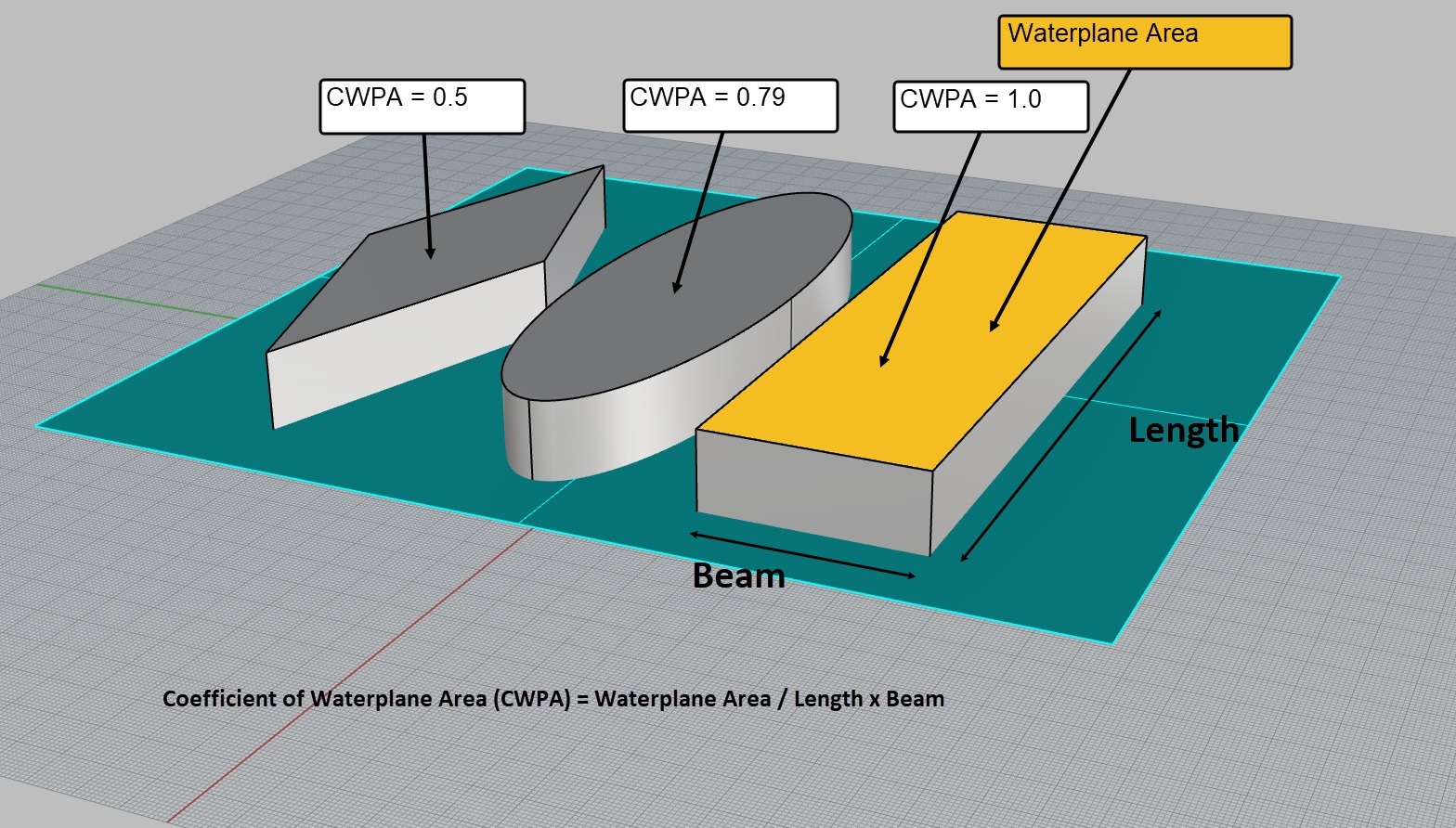
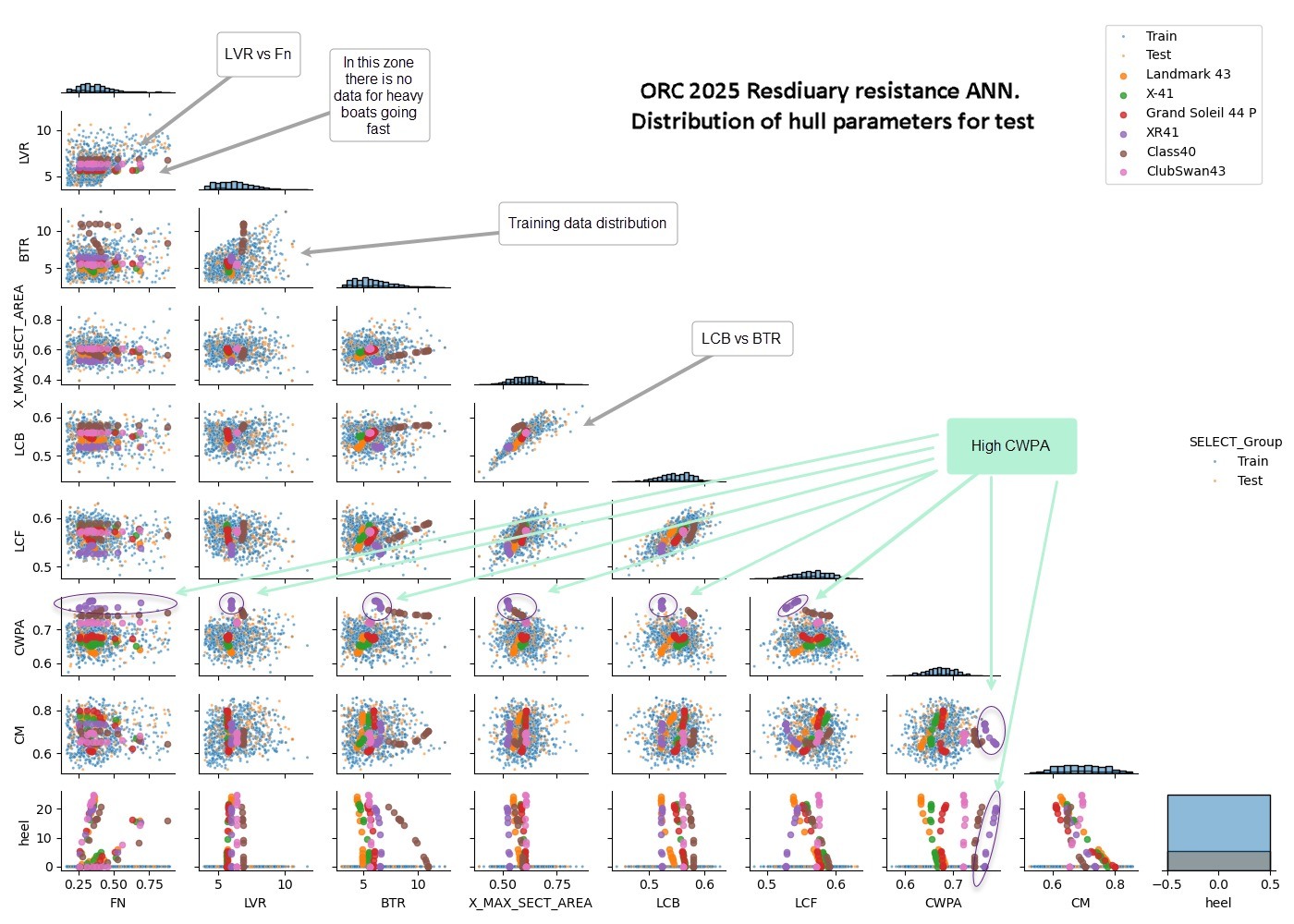
The 2026 ORC VPP adjustment applies primarily to yachts with higher Coefficient of Waterplane Area (CWPA) relative to the existing fleet, typically above approximately 0.75–0.78. Hull shapes in this range lie at the edge of the validated domain of the CFD-based resistance models used in the 2025 VPP, where the risk of extrapolation increases.
Reference Points Within the Fleet
For reference, a Farr 40 has a CWPA of about 0.72, an XR-41 is around 0.78, a JV43 around 0.79 and the new Palanad approximately 0.80.
Boats in this latter range, therefore, sit where the current resistance model has limited validation. More conventional yachts with heavier hulls and less radical shapes are not affected.
A Technical Safeguard Toward 2027
The 2026 adjustment is therefore a technical safeguard, introduced to ensure consistency and stability until the new resistance model — specifically extended to better cover higher-CWPA designs — is implemented in the 2027 VPP. It is important to stress that higher CWPA is expected to become the new normal as yacht designs evolve.
A Broader Perspective on Modern Handicapping
More generally, as boat types become increasingly diverse, handicapping based on polar tables combined with accurate knowledge of the wind conditions becomes ever more attractive as a way to give every competitor an equal chance to win. The current work should be seen in this broader technical context rather than as a targeted action against any individual design.
Related articles